
Fire Safety Equipment Supplier UK Guide
When it comes to protecting lives and property, working with a trusted fire safety equipment supplier UK is not just a legal requirement — it is a critical business decision that can mean the difference between safety and catastrophe. Whether you run a small retail store, a large warehouse, an office block, or an industrial facility, every building in the United Kingdom must meet strict fire safety standards. Gopalfiresafety (https://gopalfiresafety.com/) is a name that businesses and property managers across the UK trust to deliver comprehensive, compliant, and high-quality fire safety solutions. With years of expertise and a growing community of fire safety professionals and clients on Instagram, Gopalfiresafety continues to be the go-to fire safety equipment supplier UK that understands the real-world demands of modern fire protection.
In this first part of our in-depth guide, we will walk you through everything you need to know about fire safety equipment, why choosing the right fire safety equipment supplier UK matters, the types of equipment available, compliance standards, and how to future-proof your building against fire risks. This is your complete resource for understanding the landscape of fire safety in the UK — from legislation to the latest suppression technologies.
Why Fire Safety Equipment Is Non-Negotiable in the UK
The Regulatory Reform (Fire Safety) Order 2005 is the cornerstone of UK fire safety law for non-domestic premises. It places a legal duty on the “responsible person” — typically the employer, building owner, or occupier — to carry out a fire risk assessment and put in place adequate fire precautions. Failing to comply can result in prosecution, unlimited fines, or even imprisonment.
This is why selecting a knowledgeable fire safety equipment supplier UK goes far beyond simply buying a few fire extinguishers. You need a supplier who understands the regulatory framework, can advise you on the correct equipment for your specific risk category, and can ensure that every product they supply meets British Standards (BS) and European Norms (EN) certification requirements.
Gopalfiresafety operates with full awareness of these obligations. Every product supplied is compliant with current UK legislation and comes with the documentation businesses need to satisfy fire risk assessors and enforcement officers.
Understanding the Range of Fire Safety Equipment Available
A professional fire safety equipment supplier UK should offer a comprehensive portfolio of products. Here is an in-depth look at the major categories of fire safety equipment that every business should be aware of.
Fire Extinguishers
Fire extinguishers are the most recognised form of first-response fire-fighting equipment. However, not all fire extinguishers are created equal. There are six main types used in the UK, each designed for specific classes of fire:
Water Extinguishers are used for Class A fires involving solid organic materials such as wood, paper, and textiles. They should never be used on electrical fires or flammable liquid fires.
Foam Extinguishers are suitable for Class A and Class B fires, making them one of the most versatile options for commercial premises. They work by smothering the fire and preventing reignition.
CO2 (Carbon Dioxide) Extinguishers are ideal for electrical fires and Class B fires. They leave no residue, making them popular in server rooms, offices, and anywhere sensitive equipment is present.
Dry Powder Extinguishers can tackle Class A, B, and C fires as well as electrical hazards. They are commonly used in garages, welding areas, and chemical storage facilities. However, they should be used with caution indoors as the powder can reduce visibility and cause breathing difficulties.
Wet Chemical Extinguishers are specifically designed for Class F fires involving cooking oils and fats. They are essential in commercial kitchens and catering environments.
Clean Agent (Halon Replacement) Extinguishers are used in specialist applications including museums, data centres, and telecommunications facilities where traditional extinguishing agents could cause damage to sensitive materials.
As a leading fire safety equipment supplier UK, Gopalfiresafety stocks the full range of extinguisher types in various sizes, ensuring every client gets the right tool for their specific fire risk.
Fire Alarm Systems
Fire alarm systems are the first line of detection in any fire safety strategy. The earlier a fire is detected, the better the outcome for building occupants and property. Modern fire alarm systems range from simple standalone smoke detectors to fully networked addressable fire alarm panels that can pinpoint the exact location of a fire in a large multi-zone building.
Conventional Fire Alarm Systems divide a building into zones. When a detector triggers, the panel identifies the zone but not the specific device. These are cost-effective solutions for smaller buildings.
Addressable Fire Alarm Systems allow each detector and device to have a unique address. This means the control panel can identify exactly which device has activated, enabling faster and more precise response. These systems are standard for medium to large commercial premises.
Wireless Fire Alarm Systems are particularly useful for listed buildings or premises where cabling would be difficult or disruptive. Modern wireless systems offer the same reliability as wired systems.
Aspirating Smoke Detection (ASD) uses a network of pipes to draw air samples to a central detector. It offers very early warning of smoke, making it ideal for data centres, clean rooms, and heritage buildings.
A professional fire safety equipment supplier UK should not only supply fire alarm equipment but should also be able to advise on the correct system for your building’s use class, occupancy, and layout.
Emergency Lighting
Emergency lighting is a legal requirement under BS 5266-1. In the event of a power failure during a fire, emergency lighting ensures that occupants can safely evacuate the building by illuminating escape routes, exit signs, and high-risk areas.
There are three main types of emergency lighting:
Escape Route Lighting provides sufficient illumination along escape paths to allow safe and effective evacuation.
Open Area (Anti-Panic) Lighting is used in larger open spaces to reduce panic by providing enough light to allow people to reach an escape route.
High-Risk Task Area Lighting is used in areas where it could be dangerous to suddenly stop work without lighting — such as in laboratories or around machinery.
Emergency luminaires can be maintained (continuously lit) or non-maintained (only active on mains failure), and testing should be carried out regularly in accordance with BS 5266-1.
Fire Suppression Systems
For higher-risk environments, passive fire protection and active suppression systems go beyond extinguishers and alarms to provide automatic fire control. A specialist fire safety equipment supplier UK will have the knowledge to advise on the right system.
Sprinkler Systems are among the most effective fire suppression tools available. When properly installed and maintained, automatic sprinkler systems can control or extinguish a fire before the fire brigade arrives. They are now mandatory in many new-build residential buildings in Wales and are strongly recommended by UK fire safety guidance.
Gaseous Suppression Systems use inert gases or chemical agents to extinguish fires in enclosed spaces without damaging equipment. These are commonly used in server rooms, control rooms, and archives.
Foam Suppression Systems are used in high-hazard environments such as aircraft hangars, fuel storage areas, and chemical plants.
Mist Suppression Systems use fine water droplets to suppress fires while using significantly less water than traditional sprinklers, making them ideal for sensitive environments.
Passive Fire Protection
While active systems fight fires, passive fire protection works to contain and slow the spread of fire and smoke within a building. This gives occupants more time to evacuate and limits structural damage.
Fire Doors are a critical passive measure. A correctly specified and installed fire door can resist fire for 30, 60, or even 120 minutes, compartmentalising a building and protecting escape routes.
Intumescent Seals and Products expand when exposed to heat, sealing gaps around fire doors, pipes, and cables that pass through fire-rated walls and floors.
Fire-Resistant Glazing allows light into escape routes while maintaining fire resistance.
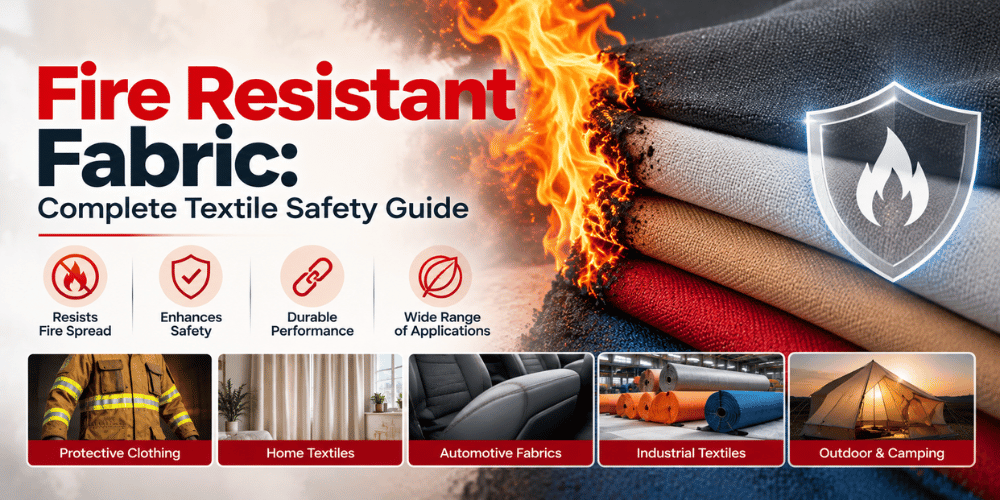
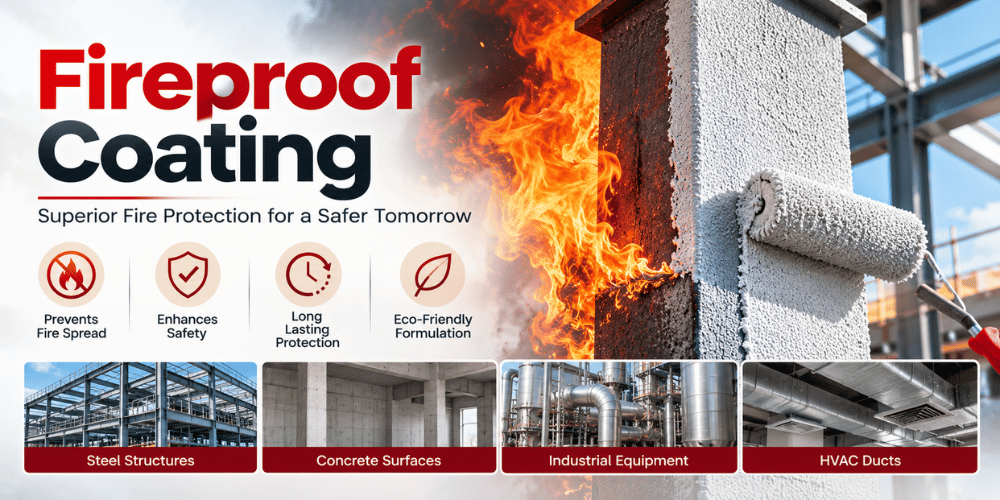
Fireproofing Coatings and Boards can be applied to structural steelwork, ceilings, and walls to improve their fire resistance ratings.
Gopalfiresafety provides comprehensive advice on passive fire protection as part of its role as a trusted fire safety equipment supplier UK, helping clients create a layered, defence-in-depth approach to fire safety.
Compliance and Certification: What to Look for in a Fire Safety Equipment Supplier UK
When sourcing fire safety equipment, compliance is everything. Products that are not properly certified can fail to perform when needed most, expose your business to legal liability, and invalidate your insurance. Here is what to look for when evaluating any fire safety equipment supplier UK.
CE Marking and UKCA Marking — Since Brexit, the UK Conformity Assessed (UKCA) mark has replaced CE marking for products placed on the Great Britain market. A reputable supplier will ensure all products carry the appropriate conformity marking.
British Standards Compliance — Fire safety equipment in the UK must meet a range of BS and BS EN standards. For example, fire extinguishers must comply with BS EN 3, fire detection systems with BS 5839, and emergency lighting with BS 5266.
Third-Party Certification — Look for products that have been independently tested and certified by recognised bodies such as LPCB (Loss Prevention Certification Board), FM Approvals, or UL. Third-party certification provides an independent assurance of product quality and performance.
Installer Certification — For installed systems such as fire alarms and suppression systems, ensure the installer is accredited by a recognised body. BAFE (British Approvals for Fire Equipment) accreditation is a widely respected standard for fire protection service providers in the UK.
As a committed fire safety equipment supplier UK, Gopalfiresafety ensures that every product it supplies meets or exceeds applicable UK standards and certification requirements, giving clients the confidence that their buildings are protected by equipment that will perform when it matters most.
Sector-Specific Fire Safety Requirements
Different industries and building types have different fire safety challenges. A knowledgeable fire safety equipment supplier UK will understand these nuances and help you build a fire safety plan that addresses your specific risks.
Hospitality and Hotels
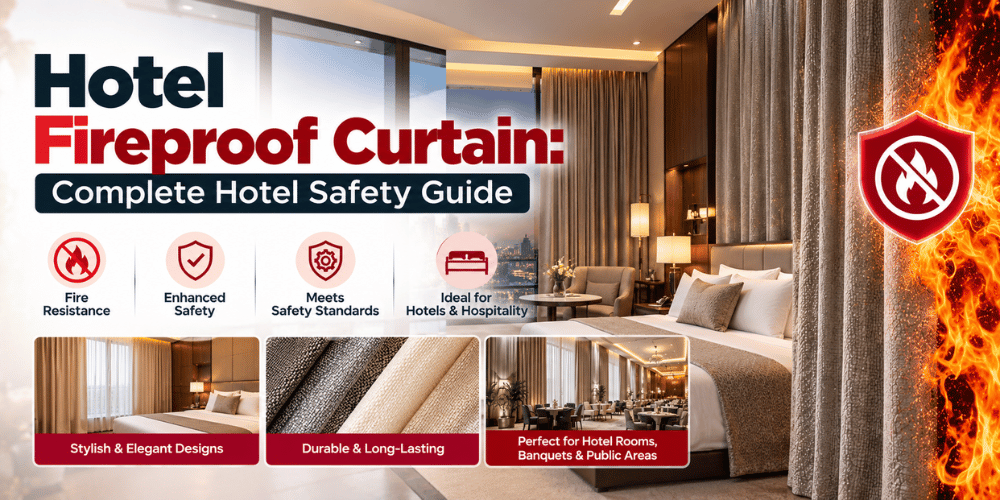
Hotels present unique fire safety challenges due to the presence of sleeping guests unfamiliar with the building layout. Requirements include L1 category fire detection (covering all areas of the building), automatic door hold-open and release systems for fire doors, comprehensive emergency lighting, and a clearly documented and rehearsed evacuation plan.
Healthcare and Care Homes
In healthcare environments, simultaneous evacuation is often not possible. A staged horizontal evacuation approach is typically used, with fire compartmentalisation playing a critical role. Specialist fire detection, nurse call integration, and staff training are essential elements of fire safety in these settings.
Warehouses and Industrial Premises
High-piled storage, flammable materials, and large open floor areas create significant fire risks in warehouses. Sprinkler systems are strongly recommended for warehouses over a certain size or storing certain categories of goods. Specialised extinguisher types may be needed depending on the materials stored.
Educational Institutions
Schools and universities require robust fire detection, regular fire drills, and age-appropriate fire safety education. Emergency lighting and clear signage are especially important given the volume of people that may need to evacuate quickly.
Retail and Commercial Offices
Open-plan offices and retail spaces require comprehensive detection coverage, fire extinguishers positioned strategically throughout the space, and clear escape route signage. Higher-risk areas such as server rooms and kitchens may require specialist suppression systems.
Gopalfiresafety has experience supplying fire safety solutions across all these sectors, making it a versatile and trusted fire safety equipment supplier UK for businesses of all types and sizes.
The Importance of Regular Maintenance and Servicing
Buying fire safety equipment is only the first step. To ensure your equipment remains functional and compliant, regular maintenance and testing is essential. In the UK, the responsible person has a legal obligation to ensure that all fire safety equipment is maintained in efficient working order.
Fire Extinguisher Servicing — BS 5306-3 recommends annual basic service for all fire extinguishers, with an extended service every five years. This involves checking the condition of the extinguisher, its charge, and all its components.
Fire Alarm Testing — BS 5839-1 recommends weekly testing of fire alarms by triggering a manual call point, with a full inspection by a competent engineer at least every six months.
Emergency Lighting Testing — BS 5266-1 requires monthly brief function tests and an annual full duration test of emergency lighting systems.
Sprinkler System Maintenance — Regular inspection, testing, and maintenance of sprinkler systems should be carried out in accordance with BS EN 12845.
Working with a reliable fire safety equipment supplier UK like Gopalfiresafety means you have access to ongoing support, maintenance services, and expert advice to keep your systems in peak condition year-round.
How to Choose the Right Fire Safety Equipment Supplier UK
With so many options on the market, choosing the right fire safety equipment supplier UK can feel overwhelming. Here are the key factors to consider:
Experience and Track Record — Look for a supplier with a proven history of delivering fire safety solutions to businesses in your sector. Ask for case studies or references.
Product Range — A comprehensive supplier should be able to meet all your fire safety needs from a single source, from extinguishers and alarms to passive fire protection and suppression systems.
Technical Knowledge — Your supplier should be able to provide expert guidance on fire risk assessments, equipment selection, and compliance requirements — not just sell you products off a shelf.
After-Sales Support — Fire safety is an ongoing commitment. Choose a supplier that offers maintenance contracts, training, and responsive technical support.
Competitive Pricing — While fire safety is not an area to cut corners, a reputable supplier will offer fair and transparent pricing without hidden costs.
Online Presence and Reviews — Check the supplier’s website and follow them on Instagram and other social platforms to get a sense of their expertise, product range, and customer engagement. Gopalfiresafety maintains an active online presence to keep clients informed about the latest products, regulations, and best practices.
By keeping all these factors in mind, you can find a fire safety equipment supplier UK that will serve as a long-term partner in protecting your premises, your people, and your business.
The Role of Fire Risk Assessments
Before purchasing any fire safety equipment, a fire risk assessment should always be completed. This systematic examination of your premises and activities helps identify fire hazards, determine who is at risk, evaluate existing fire safety measures, and identify any additional measures needed.
The fire risk assessment should be reviewed regularly and updated whenever there are significant changes to your premises or activities. A qualified fire safety equipment supplier UK can assist with fire risk assessments or connect you with accredited assessors.
Gopalfiresafety takes a consultative approach to every client relationship, helping businesses understand their fire risk before recommending specific products and solutions. Visit https://gopalfiresafety.com/ to learn more about how the team can support your fire risk assessment and equipment procurement needs.
Staying Up to Date With Fire Safety Legislation
UK fire safety legislation is evolving. The Building Safety Act 2022 introduced significant new requirements for higher-risk residential buildings, including stricter accountability structures and more rigorous safety case requirements. The Fire Safety (England) Regulations 2022 introduced new duties for responsible persons in multi-occupied residential buildings, including regular checks on communal fire doors and the provision of fire safety information to residents.
A trusted fire safety equipment supplier UK will stay abreast of legislative changes and help clients understand how new regulations affect their compliance obligations. Gopalfiresafety regularly updates its clients and Instagram followers on the latest legislative developments to help businesses stay compliant in an ever-changing regulatory landscape.
we explored the foundations of fire safety in the United Kingdom — from legislation and compliance to the essential categories of equipment every business needs. Now, in Part Two, we go deeper. We look at cutting-edge fire suppression technologies, the growing importance of fire safety training, the role of digital and smart technology in modern fire protection, sustainability in fire safety, and how Gopalfiresafety (https://gopalfiresafety.com/) continues to evolve as the leading fire safety equipment supplier UK for forward-thinking businesses. Whether you are a facilities manager, a health and safety officer, or a business owner, this second part of the guide will arm you with the advanced knowledge you need to take your fire safety strategy to the next level. Follow Gopalfiresafety on Instagram to stay connected with the latest fire safety news, product launches, and expert insights
Advanced Fire Suppression Technologies Changing the Industry
The world of fire suppression has advanced significantly over the past decade. While water-based sprinkler systems remain a cornerstone of fire protection, the emergence of new suppression technologies has given facilities managers and fire safety professionals far more options to match the specific risks of their environments. A forward-thinking fire safety equipment supplier UK will keep pace with these developments and be able to advise on the most appropriate solution for every scenario.
Water Mist Suppression Systems
Water mist technology has become one of the most exciting developments in modern fire suppression. Unlike traditional sprinkler systems that discharge large volumes of water, water mist systems release very fine droplets — typically less than 1,000 microns in diameter — at high, intermediate, or low pressure. These fine droplets cool the fire, displace oxygen in the fire plume, and reduce radiant heat — all while using significantly less water than conventional sprinkler systems.
The benefits of water mist systems are considerable. They cause far less water damage than traditional sprinklers, making them highly suitable for hotels, museums, historic buildings, server rooms, and high-value storage environments. They are equally effective in cabins, engine rooms, and galleys on marine vessels, where weight and space constraints make conventional sprinklers impractical.
Water mist systems can be total flooding (covering an entire space) or local application (protecting specific assets or equipment). High-pressure water mist systems require robust pipework and specialised nozzles but deliver superior performance in the most demanding applications.
Aerosol Fire Suppression Systems
Aerosol fire suppression is a relatively newer technology gaining traction in the UK market. When activated, aerosol generators release a fine mixture of potassium salts and inert gases that rapidly suppress fire by interrupting the chemical chain reaction of combustion. Aerosol systems are compact, lightweight, and do not require pressurised cylinders, making them easy to retrofit into electrical cabinets, engine compartments, and small enclosures.
They are particularly effective against Class B (flammable liquid) and Class C (flammable gas) fires as well as fires involving electrical equipment. As a specialist fire safety equipment supplier UK, Gopalfiresafety can assess whether aerosol suppression is the right solution for your specific application and ensure the system is compliant with relevant standards.
Inert Gas Suppression Systems
Inert gas suppression systems extinguish fires by reducing the oxygen level in the protected space to a point where combustion cannot be sustained — typically around 13 to 15 percent oxygen by volume — while still remaining at a level safe for human exposure during and immediately after discharge. The most common inert gases used are argon, nitrogen, and mixtures such as Inergen (comprising nitrogen, argon, and carbon dioxide).
Inert gas systems are ideal for occupied spaces where a chemical suppression agent might pose health risks. They are commonly used in data centres, control rooms, libraries, archives, and server rooms. They leave no residue and have zero ozone depletion potential and global warming potential, making them an environmentally responsible choice.
Chemical Clean Agent Suppression Systems
Chemical clean agents such as FM-200 (HFC-227ea) and Novec 1230 are widely used in applications where speed of suppression is critical and water damage must be avoided. These agents extinguish fire primarily by absorbing heat from the combustion reaction, achieving suppression in as little as ten seconds in many cases.
Novec 1230, developed by 3M, has become increasingly popular due to its very low global warming potential (GWP of 1) compared to FM-200 (GWP of 3,220). Both agents are safe for human exposure at design concentrations and leave no residue after discharge.
Chemical clean agent systems are the preferred choice for protecting irreplaceable assets such as IT equipment, works of art, and critical infrastructure where even minimal collateral damage from other suppression methods would be unacceptable.
As a leading fire safety equipment supplier UK, Gopalfiresafety works closely with clients to specify, supply, and support the installation of the most appropriate suppression technology for their environment.
Fire Safety Training: Building a Culture of Preparedness
No fire safety strategy is complete without comprehensive training. Equipment alone cannot protect a building if the people in it do not know how to respond effectively in an emergency. Fire safety training is a legal requirement in the UK under the Regulatory Reform (Fire Safety) Order 2005, and it is also one of the most powerful tools for reducing fire risk.
Fire Warden Training
Fire wardens (also known as fire marshals) play a crucial role in the emergency response process. They are responsible for conducting fire drills, sweeping their designated areas during an evacuation to ensure everyone has left safely, operating first-response fire-fighting equipment if safe to do so, assisting people with disabilities or mobility issues to evacuate, and reporting to the assembly point and communicating with emergency services.
Fire warden training typically covers fire theory and fire behaviour, the causes and spread of fire, an overview of fire safety legislation, how to use fire extinguishers safely, evacuation procedures and responsibilities, and how to manage an assembly point. Training should be refreshed at least every two years, or more frequently if there are significant changes to the building or its occupancy.
Staff Fire Awareness Training
All employees should receive basic fire awareness training as part of their induction process. This should cover the location of fire exits and assembly points, how to raise the alarm, what to do if they discover a fire, the importance of keeping fire doors closed, and never using lifts during a fire evacuation. Regular fire drills — at least once a year for most premises — reinforce this training and help identify any gaps or weaknesses in the evacuation plan.
Specialist Fire Safety Training
For businesses operating in high-risk environments — such as laboratories, industrial facilities, or healthcare settings — specialist training may be required. This could include training on specific hazardous materials, advanced fire-fighting techniques for high-risk scenarios, or table-top exercises that simulate complex emergency scenarios to test the effectiveness of the organisation’s emergency response plan.
Gopalfiresafety supports clients not just as a fire safety equipment supplier UK but as a comprehensive fire safety partner, offering guidance on training providers and helping businesses build the internal competency they need to manage fire safety effectively.
Smart Fire Detection and the Internet of Things
The integration of smart technology and the Internet of Things (IoT) into fire safety is transforming how buildings are protected. Modern fire detection systems are becoming increasingly intelligent, connected, and capable of delivering real-time insights that help facilities managers stay ahead of fire risks.
Connected Fire Alarm Systems
Modern addressable fire alarm systems can now be integrated with building management systems (BMS) and remote monitoring platforms. This means that alarm activations, faults, and test results can be monitored remotely by a 24/7 alarm receiving centre (ARC), ensuring that emergency services are notified immediately and that responsible persons are kept informed at all times — even when they are not on site.
Remote monitoring also enables faster diagnosis of system faults, reducing downtime and ensuring continuous protection. False alarm management features, such as cause and effect programming and confirmation algorithms, help reduce the number of unwanted alarms while maintaining the sensitivity needed to detect genuine fires at the earliest opportunity.
Multi-Sensor Fire Detectors
Traditional smoke detectors rely on a single sensing technology — typically optical or ionisation detection. Multi-sensor detectors combine two or more sensing technologies (such as optical smoke, heat, and carbon monoxide) to provide more reliable and discriminating fire detection. By analysing signals from multiple sensors, these detectors can better distinguish between genuine fires and common false alarm sources such as steam, cooking fumes, or dust.
Multi-sensor technology has dramatically improved the performance of fire detection in challenging environments such as commercial kitchens, dusty industrial spaces, and areas with variable temperature or humidity. As a knowledgeable fire safety equipment supplier UK, Gopalfiresafety can advise on where multi-sensor technology will deliver the greatest benefit in your premises.
AI-Powered Fire Detection
The application of artificial intelligence to fire detection is an emerging and rapidly developing area. AI-powered video smoke detection uses CCTV cameras and machine learning algorithms to detect the visual signature of smoke or fire within a camera’s field of view. This can provide very early warning across large open spaces — such as warehouses, atriums, or outdoor areas — where traditional point detectors would be impractical or ineffective.
AI algorithms can be trained to distinguish smoke from steam, dust, or other visual artefacts, dramatically reducing false alarms while providing robust and reliable early detection. As AI technology matures, it is expected to play an increasingly important role in the fire safety strategies of large commercial and industrial premises.
Sustainability and Environmental Responsibility in Fire Safety
Sustainability is now firmly on the agenda for businesses across all sectors, and fire safety is no exception. A responsible fire safety equipment supplier UK should be able to help clients make environmentally informed choices about the fire safety products and systems they install.
Environmentally Responsible Suppression Agents
As discussed earlier, the choice of suppression agent has significant environmental implications. The phasing out of high-GWP agents such as HFCs is accelerating under UK and EU environmental legislation. Businesses should work with their fire safety equipment supplier UK to understand the long-term environmental profile of any suppression system they are considering and to plan for the transition to lower-impact alternatives where necessary.
Inert gas systems and water mist systems have inherently low environmental impact. For chemical clean agent applications, Novec 1230 represents the current best-in-class option for environmental performance. Dry chemical agents should be selected with care, as some formulations can be harmful to ecosystems if released.
Sustainable Procurement and Product Lifecycle
Beyond the choice of suppression agent, businesses should consider the broader sustainability profile of the fire safety products they procure. This includes the manufacturing processes used, the recyclability of products at end of life, and the packaging materials used in delivery.
Gopalfiresafety is committed to responsible and sustainable procurement practices, working with manufacturers and partners who share its commitment to environmental responsibility. Follow Gopalfiresafety on Instagram for updates on its sustainability initiatives and environmentally responsible product range.
Reducing False Alarms and Their Environmental Impact
False fire alarms have a significant environmental impact, from the fuel burned by fire engines responding to unwanted calls to the disruption caused to building occupants and operations. Investing in high-quality, well-specified fire detection equipment — and ensuring it is properly maintained — is one of the most effective ways businesses can reduce their false alarm rate and the associated environmental cost.
The UK fire and rescue services attend hundreds of thousands of false alarms every year. A significant proportion of these are due to poorly specified, incorrectly installed, or poorly maintained fire detection equipment. Working with a reputable fire safety equipment supplier who prioritises quality and correct specification can make a meaningful contribution to reducing this problem.
Fire Safety for High-Rise and Complex Buildings
High-rise residential and commercial buildings present some of the most complex fire safety challenges. The events at Grenfell Tower in 2017 brought unprecedented attention to fire safety in high-rise buildings and triggered a sweeping programme of regulatory reform that continues to reshape the industry.
The Building Safety Act 2022 and Its Implications
The Building Safety Act 2022 established a new regulatory framework for higher-risk buildings — defined as buildings of 18 metres or more in height (or seven or more storeys) containing at least two residential units. Key features of the new framework include a new Building Safety Regulator with oversight of higher-risk buildings, a mandatory safety case regime requiring dutyholders to demonstrate that fire and structural safety risks are being effectively managed, a new resident engagement strategy requirement, and a building safety charge mechanism for funding safety measures.
For those responsible for higher-risk buildings, these changes represent a significant increase in regulatory obligations. A specialist fire safety equipment supplier can help you understand how these new requirements affect your specific building and what additional fire safety measures may be needed to achieve compliance.
EWS1 Assessments and External Wall Systems
The EWS1 (External Wall System) process was introduced to help mortgage lenders, valuers, and purchasers understand the fire safety of external wall systems on residential buildings. While the EWS1 process has evolved significantly since its introduction, the underlying issue — the fire safety of external cladding and insulation systems — remains a critical concern for building owners, managing agents, and residents.
Gopalfiresafety can advise on fire safety solutions for buildings undergoing remediation of unsafe cladding, including enhanced fire detection, compartmentalisation improvements, and waking watch arrangements pending the installation of permanent fire alarm systems.
Stay Put vs. Simultaneous Evacuation
The appropriate evacuation strategy for a high-rise residential building depends on the building’s construction, its compartmentalisation, and the condition of its fire safety systems. Historically, many high-rise residential buildings operated a “stay put” strategy, based on the assumption that flats are self-contained fire-resistant compartments. However, following Grenfell and subsequent regulatory guidance, many buildings have moved to a simultaneous evacuation strategy, at least until remediation work is complete.
The evacuation strategy has direct implications for the specification of fire detection and alarm systems, and a knowledgeable fire safety equipment supplier will be able to advise on the system specification needed to support your chosen strategy.
The Value of a Long-Term Fire Safety Partnership
Fire safety is not a one-time purchase — it is an ongoing commitment. The most successful fire safety programmes are built on long-term partnerships between businesses and their fire safety equipment supplier . Here is why that long-term relationship delivers so much value.
Continuity of Service — A supplier who knows your building, your systems, and your specific fire risks can provide faster, more targeted support when issues arise. There is no need to re-explain your situation every time you need help.
Proactive Compliance Management — A trusted supplier will proactively flag when your equipment is due for servicing, when new regulations come into force that affect your premises, or when new technology becomes available that could enhance your protection.
Cost Efficiency — Long-term clients often benefit from preferential pricing, bundled service packages, and priority scheduling for maintenance and installation work.
Customised Solutions — Over time, your supplier builds a deep understanding of your business and can tailor recommendations to your specific operational requirements, budget constraints, and risk profile.
Training and Development — A long-term partner will invest in keeping your team informed and trained, helping you build the internal fire safety competency your business needs to manage its own obligations effectively.
Gopalfiresafety is dedicated to building lasting partnerships with its clients. The team is available to provide ongoing support, advice, and expertise to help businesses navigate the complexities of fire safety compliance and build genuinely robust protection for their premises. Visit https://gopalfiresafety.com/ today and take the first step towards a comprehensive, long-term fire safety strategy.
How Gopalfiresafety Stands Out as Your Fire Safety Equipment Supplier UK
In a market with many suppliers, what sets Gopalfiresafety apart as the preferred fire safety equipment supplier for so many businesses?
Breadth of Product Range — From basic extinguishers and signage to advanced suppression systems and smart detection technology, Gopalfiresafety offers one of the most comprehensive product ranges available from a UK fire safety supplier. Clients can source everything they need from a single trusted partner.
Expert Technical Knowledge — The team at Gopalfiresafety combines extensive practical experience with up-to-date knowledge of UK fire safety legislation, British Standards, and emerging technologies. This expertise allows them to provide genuinely valuable advice that goes far beyond product sales.
Commitment to Quality — Every product supplied by Gopalfiresafety meets or exceeds applicable UK standards and certification requirements. Quality is never compromised, because fire safety equipment must perform when it matters most.
Responsive Customer Service — Gopalfiresafety prides itself on responsive, personalised service. Clients are never just a number — they are partners in a shared commitment to fire safety excellence.
Active Online Community — Follow Gopalfiresafety on Instagram for regular updates on fire safety news, new products, regulatory changes, and practical tips for businesses across the UK. The Instagram community is a valuable resource for anyone committed to keeping their premises and people safe.
Nationwide Reach — Whether you are based in London, Manchester, Birmingham, Edinburgh, Cardiff, or anywhere in between, Gopalfiresafety is your trusted fire safety equipment supplier , with the capability to serve clients across the entire United Kingdom.
Practical Steps to Improve Your Fire Safety Today
To bring everything in this guide together, here are ten practical steps you can take right now to strengthen your fire safety position:
Conduct a thorough fire risk assessment of your premises, ideally with the support of a qualified fire safety professional, to identify hazards, assess risks, and prioritise any remedial actions required.
Review your fire safety equipment to ensure every extinguisher, alarm device, emergency luminaire, and suppression system is compliant with current UK standards and has been maintained within the manufacturer’s and BS-recommended service intervals.
Check that all fire doors in your building are correctly specified, properly installed, free from damage, and closing effectively. Even minor defects can significantly compromise a fire door’s ability to contain smoke and fire.
Ensure all staff receive regular fire awareness training and that fire wardens are properly trained and confident in their responsibilities.
Test your fire alarm weekly by activating a manual call point, and conduct a full fire drill at least annually.
Review your emergency lighting monthly and annually in accordance with BS 5266-1 to ensure all luminaires are functional and providing adequate illumination.
Check your fire escape routes are clear of obstructions at all times. Blocked escape routes are one of the most common and easily preventable fire safety failures.
Ensure your fire safety policy and evacuation procedure are documented, accessible to all staff, and reviewed regularly.
Stay informed about changes to UK fire safety legislation. Subscribe to industry updates, follow Gopalfiresafety on Instagram, and review regulatory guidance from the Home Office and National Fire Chiefs Council.
Contact Gopalfiresafety at https://gopalfiresafety.com/ to discuss your specific fire safety needs and find out how the team can help you build a comprehensive, compliant, and future-proof fire safety strategy.
It is tempting to view fire safety expenditure as a cost to be minimised. But the reality is that fire safety is one of the most important investments a business can make. The consequences of a fire — in terms of human life, property damage, business interruption, reputational harm, and legal liability — can be catastrophic. A single fire can destroy everything a business has built over years or decades.
Against that backdrop, the cost of working with a reputable fire safety equipment supplier , investing in quality equipment, keeping it properly maintained, and ensuring your team is trained and prepared is truly insignificant. Fire safety is not about compliance for its own sake — it is about protecting people, protecting property, and protecting the future of your business.
Gopalfiresafety exists to make that investment as straightforward, effective, and cost-efficient as possible. With a comprehensive product range, expert technical knowledge, and a genuine passion for fire safety, Gopalfiresafety is the fire safety equipment supplier that businesses across the country trust to keep them safe.
Visit https://gopalfiresafety.com/ today to explore the full range of fire safety products and services, and follow Gopalfiresafety on Instagram to join a growing community of fire safety professionals and business owners committed to a safer United Kingdom.