Fire Alarm Equipments
Fire alarm equipments are the backbone of modern fire safety infrastructure in commercial, industrial, and residential buildings. These systems are designed to detect fire at the earliest stage, alert occupants, and initiate emergency response procedures. In today’s safety-driven environment, fire alarm equipments are not optional—they are mandatory for compliance, risk reduction, and life protection.
A reliable fire equipment setup helps organizations prevent major fire damage, reduce casualties, and ensure Fire NOC approval. Companies like gopalfiresafety provide end-to-end solutions for design, supply, installation, and maintenance of fire equipments across India. To know more about professional services, visit 👉 https://gopalfiresafety.com
What Are Fire Alarm Equipments?
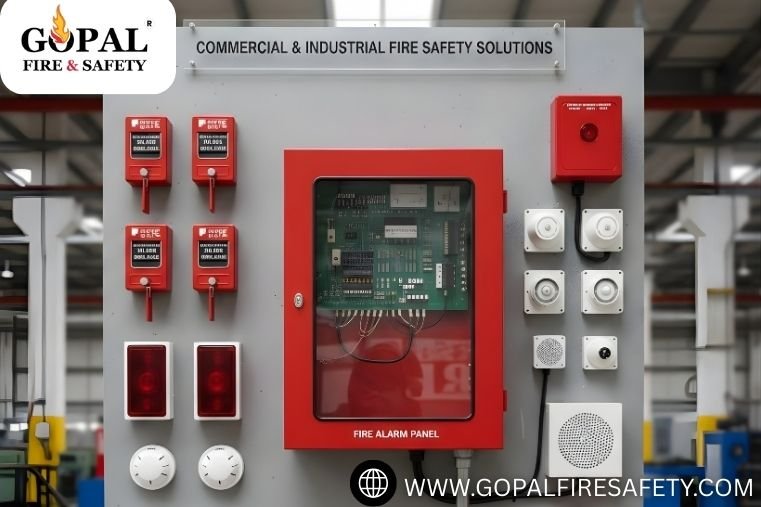
Fire alarm consist of interconnected devices that detect smoke, heat, or fire and generate audible and visual alerts. These equipments communicate with occupants, security teams, and emergency responders to ensure quick evacuation and fire control.
Fire alarm equipments typically include:
- Fire alarm control panels
- Smoke detectors
- Heat detectors
- Manual call points
- Hooters and sirens
- Flashers and indicators
- Power supply units
Each fire equipment plays a vital role in a comprehensive fire safety strategy.
Importance of Fire Alarm Equipments in Buildings
Fire equipments are essential for protecting human life and infrastructure. Their importance includes:
1. Early Fire Detection
Fire equipments identify fire at the initial stage, reducing spread and damage.
2. Life Safety
Clear alarms and alerts allow safe evacuation during emergencies.
3. Legal Compliance
Fire equipments are mandatory under NBC, local fire department rules, and Fire NOC requirements.
4. Asset Protection
Timely alerts prevent equipment loss, production downtime, and property damage.
5. Insurance Benefits
Buildings with certified fire alarm often receive lower insurance premiums.
Types of Fire Alarm Equipments
1. Fire Alarm Control Panel (FACP)
The control panel is the brain of all fire alarm equipments. It receives signals from detectors and activates alarms.
Types:
- Conventional fire alarm panel
- Addressable fire alarm panel
2. Smoke Detectors
Smoke detectors are the most commonly used fire equipments.
Types:
- Photoelectric smoke detector
- Ionization smoke detector
- Beam smoke detector
3. Heat Detectors
Heat detectors activate when temperature exceeds a set limit. These fire alarm are ideal for kitchens and industrial areas.
4. Manual Call Points (MCP)
Manual call points allow occupants to manually trigger the fire alarm system during emergencies.
5. Hooters, Sirens, and Flashers
These fire alarm equipments provide audible and visual alerts to occupants.
Conventional vs Addressable Fire Alarm Equipments
Conventional Fire Equipments
- Zone-based detection
- Cost-effective
- Suitable for small buildings
Addressable Fire Equipments
- Device-specific identification
- Faster response
- Ideal for large commercial and industrial facilities
gopalfiresafety recommends addressable fire equipments for complex structures where accuracy and speed are critical.
Fire Alarm Equipments for Commercial Buildings
Commercial buildings like offices, malls, hospitals, and hotels require advanced fire alarm to manage high occupancy.
Key requirements:
- Continuous monitoring
- Integration with sprinklers and PA systems
- Emergency exit indication
Fire alarm equipments in commercial buildings must comply with NBC and local fire department norms.
Fire Alarm Equipments for Industrial Facilities
Factories, warehouses, and plants face higher fire risks due to machinery, chemicals, and electrical loads.
Industrial fire equipments include:
- Flame detectors
- Heat detectors
- Explosion-proof alarm devices
Regular inspection and maintenance by gopalfiresafety ensures uninterrupted protection.
Fire Alarm Equipments and Fire NOC Compliance
Fire alarm equipments are a mandatory component for Fire NOC approval. Fire authorities verify:
- Proper installation
- Functional testing
- Compliance with NBC and IS standards
Without certified fire equipments, Fire NOC approval can be delayed or rejected.
Installation Process of Fire Equipments
Professional installation ensures reliability and compliance.
Steps include:
- Site survey and risk assessment
- System design and layout
- Equipment installation
- Testing and commissioning
- Documentation for Fire NOC
gopalfiresafety provides turnkey fire equipment installation across India.
Maintenance of Fire Alarm Equipments
Routine maintenance is critical to ensure fire equipments function during emergencies.
Maintenance includes:
- Detector cleaning
- Panel testing
- Battery checks
- System simulation drills
Annual Maintenance Contracts (AMC) help businesses stay compliant and safe.
Why Choose Gopal Fire Safety for Fire Alarm Equipments?
gopalfiresafety is a trusted fire safety company offering:
- Certified fire equipments
- NBC-compliant installations
- Fire NOC assistance
- AMC & emergency support
Explore complete fire alarm solutions at GOPALFIRESAFETY